











Sensory toys for kids aren't just trendy: they're fundamental tools for healthy development. Every child learns through their senses: touch, sight, sound, movement, taste, and smell. Sensory toys provide rich, varied experiences that build neural pathways, support emotional regulation, enhance focus, and make learning engaging and memorable. From fidget toys that help children concentrate to sensory bins that encourage exploration, these tools support development for all children, neurotypical and neurodivergent alike.
The science is clear: multisensory experiences create stronger, more integrated learning than passive reception of information. Children who engage regularly with sensory activities demonstrate better focus, improved motor skills, enhanced emotional regulation, and stronger cognitive development. Whether your child seeks intense sensory input or easily becomes overwhelmed, understanding sensory needs and choosing appropriate toys can transform daily life.
This comprehensive guide explores the science behind sensory play, helps you identify your child's sensory profile, and provides expert recommendations for sensory toys that genuinely support development across all ages.
In this guide, you'll discover:
- The science of sensory processing and why it matters
- How to identify your child's sensory profile
- 15 categories of the best sensory toys for kids
- Age-appropriate sensory toy recommendations
- DIY sensory activities that cost almost nothing
- Sensory toys for different needs (SPD, autism, ADHD, anxiety)
- Creating a sensory-friendly environment at home
Table of Contents
What Are Sensory Toys and Why Do They Matter?

Sensory toys are designed to stimulate one or more of the senses, providing input that supports development, regulation, and learning. Unlike traditional toys focused solely on entertainment or skill-building, sensory toys specifically target sensory systems to achieve developmental and regulatory goals.
The Science Behind Sensory Play
Neural Development
Dr. Maria Montessori famously stated that "the hand is the instrument of the mind." Hands-on exploration is one of the main ways young children gather information about the world. When children engage with varied sensory input:
- Neural pathways strengthen through repeated activation
- Cross-modal connections form (integrating multiple senses)
- Brain regions communicate more efficiently
- Cognitive skills like attention and memory improve
- Motor planning and coordination develop
Emotional Regulation
Sensory input has a direct impact on the nervous system:
- Calming input: Deep pressure, slow rocking, soft sounds activate the parasympathetic nervous system (rest/digest mode)
- Alerting input: Fast movement, bright colors, loud sounds activate the sympathetic nervous system (alert/active mode)
- Organizing input: Rhythmic activities, proprioceptive input help children feel "just right"
Children who understand their sensory needs and have tools to regulate develop better emotional control, reduced anxiety, and improved behavior.
Learning Enhancement
Multisensory learning is significantly more effective than single-sense learning:
- Information encoded through multiple senses is remembered better
- Sensory engagement increases attention and focus
- Hands-on learning creates deeper understanding than passive observation
- Sensory experiences make abstract concepts concrete
Who Benefits from Sensory Toys?
All Children
Every child has sensory needs and benefits from varied sensory experiences. Sensory play supports typical development in:
- Infants discovering their world
- Toddlers building motor skills
- Preschoolers learning through exploration
- School-age children needing focus tools
Children with Sensory Processing Disorder (SPD)
SPD affects how the brain interprets and responds to sensory information. Sensory toys help by:
- Providing appropriate input to under-responsive systems
- Offering coping tools for over-responsive systems
- Supporting sensory integration therapy
- Building tolerance for challenging sensations
Autistic Children
Many autistic individuals have unique sensory profiles. Sensory toys support:
- Self-regulation and calming
- Appropriate sensory seeking
- Reducing sensory overload
- Providing predictable, controllable input
Children with ADHD
Sensory tools help with:
- Improving focus and attention
- Providing appropriate movement outlets
- Reducing fidgeting through fidget toys
- Channeling excess energy productively
Anxious Children
Sensory input can be deeply calming:
- Deep pressure reduces anxiety
- Repetitive sensory activities are soothing
- Predictable sensory input provides control
- Grounding techniques use sensory awareness
Understanding the Eight Sensory Systems
Most people learn about five senses in school, but occupational therapists recognize eight sensory systems. Understanding all eight helps you choose toys that target specific needs.
The External Senses
1. Tactile (Touch)
What it does: Processes texture, temperature, pressure, pain
Toys that stimulate: Textured balls, slime, play dough, fidgets, sensory bins
Why it matters: Tactile input is crucial for fine motor development, body awareness, and emotional security
2. Visual (Sight)
What it does: Processes light, color, movement, spatial relationships
Toys that stimulate: Light-up toys, color-changing items, visual timers, kaleidoscopes
Why it matters: Visual processing affects reading, spatial awareness, and attention
3. Auditory (Hearing)
What it does: Processes sound frequency, volume, location
Toys that stimulate: Musical instruments, sound-making toys, white noise machines
Why it matters: Auditory processing is essential for language development and focus
4. Olfactory (Smell)
What it does: Processes scents and odors
Toys that stimulate: Scented play dough, scratch-and-sniff items, essential oil diffusers
Why it matters: Smell is strongly linked to memory and emotional regulation
5. Gustatory (Taste)
What it does: Processes flavors and oral textures
Toys that stimulate: Chewable jewelry, safe oral fidgets, textured chewies
Why it matters: Oral input can be very organizing and calming
The Internal Senses
6. Vestibular (Movement/Balance)
What it does: Processes head position, movement through space, balance
Toys that stimulate: Swings, spinning toys, balance boards, trampolines
Why it matters: Vestibular input is the most organizing sensory system; affects attention, arousal level, and body awareness
7. Proprioceptive (Body Awareness)
What it does: Senses body position, muscle/joint pressure, force
Toys that stimulate: Weighted items, resistance toys, climbing equipment, heavy work activities
Why it matters: Proprioception is deeply calming and organizing; builds motor planning and coordination
8. Interoceptive (Internal Body Signals)
What it does: Senses hunger, thirst, bathroom needs, heart rate, breathing, emotions
Toys that stimulate: Breathing exercises, body awareness activities, mindfulness tools
Why it matters: Interoception affects self-regulation, emotional awareness, and toileting
Integration Is Key
The sensory systems don't work in isolation: they integrate to create a complete picture of our experience. The best sensory toys stimulate multiple systems simultaneously, building stronger integration.
Identifying Your Child's Sensory Profile

Children process sensory information differently. Understanding your child's unique profile helps you choose toys that support rather than overwhelm.
Sensory Seeking (Sensory Craving)
Characteristics:
- Constantly moving, can't sit still
- Touches everything
- Seeks loud sounds, bright lights
- Crashes, jumps, climbs excessively
- Mouths objects beyond typical age
- Loves intense flavors and textures
- Seems to have endless energy
- May appear "hyperactive"
What's happening: Brain requires MORE sensory input to register and process information. Not misbehavior: a neurological need.
Best toys for sensory seekers:
- Trampolines
- Crash pads
- Weighted items
- Textured fidgets
- Chewable jewelry
- Resistance toys (stretchy, squeezable)
- Active play equipment
Sensory Avoiding (Sensory Over-Responsive)
Characteristics:
- Covers ears at normal sounds
- Avoids messy play (mud, paint, sand)
- Dislikes certain clothing textures
- Extremely picky eating
- Bothered by bright lights
- Overwhelmed in busy environments
- Avoids hugs or light touch
- Gets carsick or dizzy easily
What's happening: Brain OVER-responds to sensory input, finding normal levels overwhelming or painful. Not "being difficult": genuine distress.
Best toys for sensory avoiders:
- Quiet toys
- Smooth, predictable textures
- Gentle visual input
- Slow, controlled movement
- Noise-canceling headphones
- Sunglasses for light sensitivity
- Soft, non-scratchy materials
Sensory Under-Responsive
Characteristics:
- Seems unaware of sensations others notice
- Slow to respond to name
- High pain tolerance
- Low energy, appears lethargic
- Difficulty with self-care (doesn't notice messy face, unbrushed hair)
What's happening: Sensory input doesn't register efficiently; requires intense input to notice.
Best toys: Similar to sensory seeking: intense, engaging sensory experiences
Mixed Profile (Most Common)
Many children are sensory seeking in some systems and avoiding in others:
- Seeks deep pressure but avoids loud sounds
- Loves movement but dislikes messy textures
- Craves visual input but avoids certain foods
Solution: Customize sensory toy collection to match specific needs in each sensory system.
Working With an Occupational Therapist
An OT specializing in sensory integration can:
- Formally assess sensory processing
- Create individualized "sensory diet"
- Recommend specific toys and activities
- Teach strategies for daily sensory challenges
- Monitor progress and adjust recommendations
15 Best Categories of Sensory Toys for Kids
1. Fidget Toys and Manipulatives

Why they're essential: Fidget toys provide tactile and proprioceptive input that improves focus, reduces anxiety, and supports self-regulation. They're not distractions: they're concentration tools.
Benefits:
- Improve attention and focus (research-backed)
- Reduce anxiety and stress
- Provide appropriate sensory outlet
- Prevent disruptive behaviors
- Support classroom engagement
Types of fidget toys:
Squeeze/Resistance Fidgets:
- Stress balls (various textures and resistances)
- Therapy putty
- Squishy toys
- Squeeze eggs
Textured Fidgets:
- Spiky balls
- Textured strips
- Bumpy surfaces
- Smooth vs. rough options
Movement Fidgets:
- Fidget spinners
- Tangle toys (twistable)
- Marble mesh
- Infinity cubes
Quiet Fidgets (for school):
- Therapy putty
- Smooth stones
- Fabric fidgets
- Silent squeeze toys
Oral Fidgets:
- Chewable jewelry
- Chewy tubes
- Textured chewies
- Gum (if age-appropriate)
Research backing: Studies show that children with ADHD perform better on cognitive tasks when allowed to fidget. The movement actually HELPS concentration, not hinders it.
Recommended: 🔗 Thoson Magic Gel™ provides mess-free tactile fidgeting with satisfying sensory feedback.
2. Weighted and Deep Pressure Items
The science of deep pressure: Deep touch pressure activates the parasympathetic nervous system, triggering a calming response. It's like a full-body hug from the nervous system's perspective.
Benefits:
- Reduces anxiety and stress
- Improves sleep quality
- Enhances focus and attention
- Provides body awareness (proprioception)
- Can shorten or prevent meltdowns
Weighted Items:
Weighted Blankets:
- Proper weight: 5-10% of body weight (consult an occupational therapist for sizing)
- Uses: Sleep, calming time, sensory breaks
- Safety: Never for children under 2; consult doctor for medical conditions
- Materials: Breathable fabric, evenly distributed weight
Weighted Lap Pads:
- For seated activities (homework, meals, circle time)
- 5-10% of body weight (consult an occupational therapist for sizing)
- Washable cover essential
- Can be used at school with accommodation
Weighted Stuffed Animals:
- Comfort + calming in one
- Portable for travel
- Can be heated/cooled for added sensory input
Weighted Vests:
- Wearable deep pressure
- OT recommendation often required
- Use in 20-minute intervals
- Monitor for overheating
Compression Items:
- Body socks (Lycra suits for full-body compression)
- Compression clothing
- Therapy balls (sit on or lie under)
- Resistance bands
DIY Deep Pressure:
- "Sandwich" squishes between couch cushions
- Tight hugs (if child requests/accepts)
- Rolling therapy ball over body
- Burrito wraps in blankets
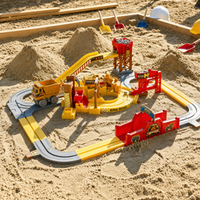
3. Sensory Bins and Exploration
Why sensory bins work: Open-ended tactile exploration at the child's pace, infinitely customizable, incredibly engaging, calming for many children.
Base Materials:
For Tactile Seekers:
- Dried rice, beans, pasta
- Kinetic sand
- Water beads
- Shredded paper
- Aquarium gravel
For Tactile Avoiders:
- Pom poms
- Cotton balls
- Smooth stones
- Silk scarves
Add-Ins:
- Scoops, cups, funnels
- Tongs (motor skill practice)
- Small toys related to theme
- Measuring cups
Themed Sensory Bins:
- Ocean: Blue water beads + sea creatures
- Farm: Green rice + farm animals
- Construction: Brown rice + toy trucks
- Rainbow: Colored rice sorted by color
- Dinosaur dig: Sand + buried dinosaurs
Safety:
- Supervise children who mouth objects
- Use age-appropriate materials
- Large bin/tray to contain mess
- Cleanup tools readily available
4. Play Dough, Slime, and Moldable Materials
Benefits:
- Strengthens hand muscles (pre-writing)
- Provides calming tactile input
- Open-ended creative expression
- Sensory feedback that's controllable
- Can be customized (texture, scent, color)
Materials:
Play Dough:
- Store-bought or homemade
- Add-ins: glitter, essential oils, textures
- Tools: rolling pins, cookie cutters, plastic knives
Slime:
- Many textures: stretchy, thick, fluffy, clear
- Extremely satisfying sensory input
- Can be made at home
- Supervision needed (not for mouthing)
Kinetic Sand:
- Moldable like wet sand but doesn't dry out
- Sticks to itself, not hands
- Unique satisfying texture
- Play in contained bin
Therapy Putty:
- Various resistances (soft to firm)
- Used in occupational therapy
- Builds hand strength
- Can hide small objects inside for finding
Cloud Dough:
- Flour + oil mixture
- Soft, moldable texture
- Easy DIY recipe
5. Visual Sensory Toys

For Visual Seekers:
- Light-up toys: Fiber optic lamps, LED spinners
- Bubble tubes: Water columns with bubbles and changing colors
- Projectors: Stars, ocean waves, moving images
- Kaleidoscopes: Endless patterns
- Prisms: Create rainbows
For Visual Avoiders (Calming):
- Lava lamps: Slow, predictable movement
- Glitter jars: Watch glitter settle slowly
- Sand timers: Gentle visual tracking
- Soft lighting: Himalayan salt lamps, diffused lights
Visual Tracking Toys:
- Liquid motion timers
- Cascading water toys
- Marble runs
- Spinning tops
6. Movement and Vestibular Toys
Why movement matters: Vestibular input is the most organizing sensory system. It affects arousal level, attention, and body awareness profoundly.
Calming Movement (Slow, Rhythmic):
- Slow swinging
- Rocking chairs/horses
- Hammocks
- Gentle bouncing on therapy ball
Alerting Movement (Fast, Intense):
- Trampolines
- Spinning (sit-and-spins, office chairs)
- Fast swinging
- Jumping
Indoor Options:
- Platform swings (mount to ceiling)
- Therapy swings (pod swings, net swings)
- Mini trampolines with handle
- Balance boards
- Tunnels for crawling
Outdoor Options:
- Swings (various types)
- Trampolines (with safety enclosure)
- Spinning playground equipment
- Climbing structures
Safety: Always supervise. Start slow. Watch for overstimulation (nausea, disorientation).
7. Auditory Sensory Toys
For Auditory Seekers:
- Musical instruments
- Sound-making toys
- Music players (child-controlled)
- Echo microphones
For Auditory Avoiders:
- Noise-canceling headphones
- White noise machines
- Quiet toys only
- Volume-controlled options
Calming Sounds:
- Nature sounds (rain, ocean, forest)
- White noise
- Soft music
- Gentle chimes
8. Oral Sensory Toys
Why oral input matters: Mouth is incredibly sensory-rich area. Oral input can be very organizing and calming.
Safe Chewable Options:
- Chewable jewelry (necklaces, bracelets)
- Chewy tubes
- Textured chewies (various firmness)
- Silicone chew toys
Oral Motor Tools:
- Straws (thick, thin, twisty)
- Whistles
- Bubble blowing
- Harmonica
Edible Options:
- Crunchy foods (carrots, apples)
- Chewy foods (bagels, fruit leather)
- Resistive foods (thick smoothies through straw)
9. Proprioceptive Toys (Heavy Work)
Deep pressure through muscles/joints:
- Push/pull toys
- Climbing equipment
- Resistance bands
- Heavy objects to carry
- Wheelbarrow walks
10. Water Play
Calming, organizing, engaging:
- Water tables
- Bath toys
- Pouring activities
- Water beads
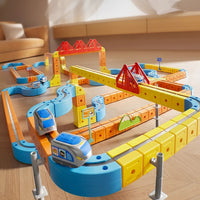
11. Building and Construction
Tactile + proprioceptive + focus:
- 🔗 Thoson Blocks - Full Pack™
- Construction sets
- Magnetic tiles
12. Textured Toys and Materials
Tactile exploration:
- Textured balls
- Fabric squares
- Touch-and-feel books
- Nature materials (pinecones, smooth stones)
13. Scented Play Materials
Olfactory input:
- Scented play dough
- Essential oil diffusers
- Scratch-and-sniff items
- Scented markers
14. Calming Corner Supplies
Creating calm space:
- Soft pillows/cushions
- Small tent or hideaway
- Calming visual toys
- Weighted blanket
- Soft lighting
15. Multi-Sensory Integration Toys
Stimulate multiple senses:
- Sensory pathways (textured tiles to walk on)
- Multi-sensory balls (light-up, textured, sounds)
- Sensory bottles (visual + auditory)
Sensory Toys by Age Group
Infants (0-12 months)
Focus: Safe sensory exploration, tactile and visual input
Best toys: Soft textured toys, high-contrast visuals, rattles, teethers
Toddlers (1-2 years)
Focus: Active exploration, motor development, sensory integration
Best toys: Sensory bins, play dough, textured balls, simple fidgets, movement toys
Preschool (3-5 years)
Focus: Sensory regulation, focus tools, complex exploration
Best toys: Fidgets, slime, kinetic sand, building materials, weighted items
Elementary (6-12 years)
Focus: Classroom tools, self-regulation, stress management
Best toys: Discrete fidgets, weighted lap pads, chewable jewelry, complex sensory activities
Teens (13+)
Focus: Stress relief, focus, socially acceptable tools
Best toys: Stylish fidgets, stress balls, weighted blankets, exercise equipment
Sensory Toys for Specific Needs

Sensory Processing Disorder (SPD)
Key needs: Matching sensory profile (seeking/avoiding), OT collaboration
Best approach: Comprehensive sensory diet, varied input throughout day
Autism Spectrum
Key needs: Predictable input, accommodating unique sensitivities, respecting stims
Best toys: Fidgets, weighted items, special interest-related, cause-and-effect
ADHD
Key needs: Focus tools, appropriate movement outlets
Best toys: Fidgets (especially for school), resistance toys, movement breaks
Anxiety
Key needs: Calming input, grounding tools, stress relief
Best toys: Weighted blankets, deep pressure items, calming visual toys, breathing tools
Budget-Friendly DIY Sensory Activities
Expensive toys aren't necessary for great sensory input. Many effective sensory activities cost pennies.
DIY Sensory Bins
- Rice bin: Uncooked rice + food coloring + small toys
- Bean bin: Dried beans + scoops + containers
- Pasta bin: Uncooked pasta (various shapes) + tongs
- Water bin: Water + cups + funnels + food coloring
DIY Sensory Toys
- Sensory bottles: Water bottle + glitter + glycerin
- Playdough: Flour + salt + water + cream of tartar + food coloring
- Slime: Glue + contact solution + baking soda
- Cloud dough: Flour + baby oil
- Ice play: Freeze toys in ice, let child excavate
DIY Heavy Work
- Push heavy laundry basket
- Carry groceries
- Wall pushes
- Animal walks (bear walk, crab walk)
DIY Calming Corner
- Pillows from around house
- Sheet draped over table for hideaway
- Jar of glitter + water
- Soft lighting (lamp with colored bulb)
- Favorite stuffed animals
Frequently Asked Questions
Are sensory toys only for children with special needs?
No! Every child has sensory needs and benefits from sensory play. While children with SPD, autism, ADHD, or anxiety may have more pronounced needs, all children develop better with rich sensory experiences. Sensory toys support typical development in all children.
How do I know which sensory toys my child needs?
Observe your child: What do they seek out? What do they avoid? What calms them? What energizes them? Trial and error helps too. An occupational therapist can assess sensory processing formally and recommend specific toys. Start with variety and notice what your child gravitates toward.
Can fidget toys really help with focus?
Yes! Research shows that children (especially with ADHD) perform better on cognitive tasks when allowed to fidget. The movement helps the brain stay alert and engaged. Fidgeting isn't distraction: it's a concentration tool. Choose quiet fidgets for classroom use.
Are weighted blankets safe for children?
Generally yes, with precautions: Never for children under 2 years. Use a 5-10% of body weight guideline and consult an occupational therapist for sizing. Never force use. Don't use during sleep without medical clearance. Supervise initially. Consult doctor if child has respiratory, circulatory, or temperature regulation issues.
My child seeks intense sensory input constantly. Is this okay?
Sensory seeking is neurological, not misbehavior. Provide appropriate outlets: heavy work activities, movement breaks, fidgets, resistive toys. Work with OT to create "sensory diet": scheduled sensory activities throughout day. Meeting sensory needs reduces seeking behaviors that may be disruptive.
Can you have too much sensory input?
Yes, sensory overload is real. Watch for signs: covering ears, closing eyes, increased stimming, behavioral changes, attempts to leave situation. Provide calming space, reduce stimuli, allow breaks. Balance alerting and calming sensory input. Quality over quantity.
Do I need expensive sensory toys?
No! Many effective sensory activities cost little or nothing: household sensory bins, DIY play dough, heavy work chores, outdoor play, water activities. Invest in quality for frequently-used items (weighted blankets, good fidgets), but remember that expensive doesn't mean better for sensory input.
When should I see an occupational therapist?
Consider OT evaluation if: Sensory issues interfere with daily life (dressing, eating, school), child is extremely seeking or avoiding, developmental delays present, significant distress around sensory experiences, or you need professional guidance. OTs are experts in sensory processing and can be incredibly helpful.
Final Thoughts: Supporting Development Through the Senses
Sensory toys for kids aren't optional extras or special needs tools only: they're fundamental supports for healthy development in all children. From fidgets that improve focus to weighted blankets that calm anxiety, from sensory bins that engage exploration to movement toys that organize the nervous system, these tools help children regulate, learn, and thrive.
Remember these core principles:
- Every child has sensory needs: Not just those with diagnoses
- Observe and individualize: One child's calming is another's alerting
- Variety builds integration: Multiple sensory experiences strengthen development
- Regulation enables learning: Regulated children can focus, engage, and grow
- DIY works too: Expensive isn't necessary for effective sensory input
- Respect sensory needs: Seeking and avoiding are neurological, not behavioral
- Fidgeting helps focus: Movement aids concentration, doesn't hinder it
Most importantly, remember that sensory play should be joyful. The best sensory toys are the ones your child naturally gravitates toward, that bring them comfort or excitement, that help them feel regulated and ready to engage with their world.
Explore 🔗 Thoson's sensory toy collection with options for tactile, visual, and proprioceptive input across all ages and needs.